This article summarises the possible benefits of Deep Transcranial Magnetic Stimulation (Deep TMS), repetitive TMS (r-TMS), transcranial Direct Current Stimulation (tDCS) and Neupulse for OCD. The short answer is that deep TMS may have modest benefits for OCD, but it is still being researched.
TMS may help reduce over-activity in the brain, and the benefits in OCD may be modest. tDCS has less evidence for treating OCD. Neupulse has no evidence. They are not available as treatments in the NHS for OCD, but some private clinics may offer Deep TMS. rTMS is more established for treating depression (but not depression in the context of OCD). It is important to note that there is no “magic bullet” for OCD, and treatment often involves a combination of approaches. I shall first discuss deep TMS and rTMS.
Deep Trans-Cranial Magnetic Stimulation (Deep TMS)
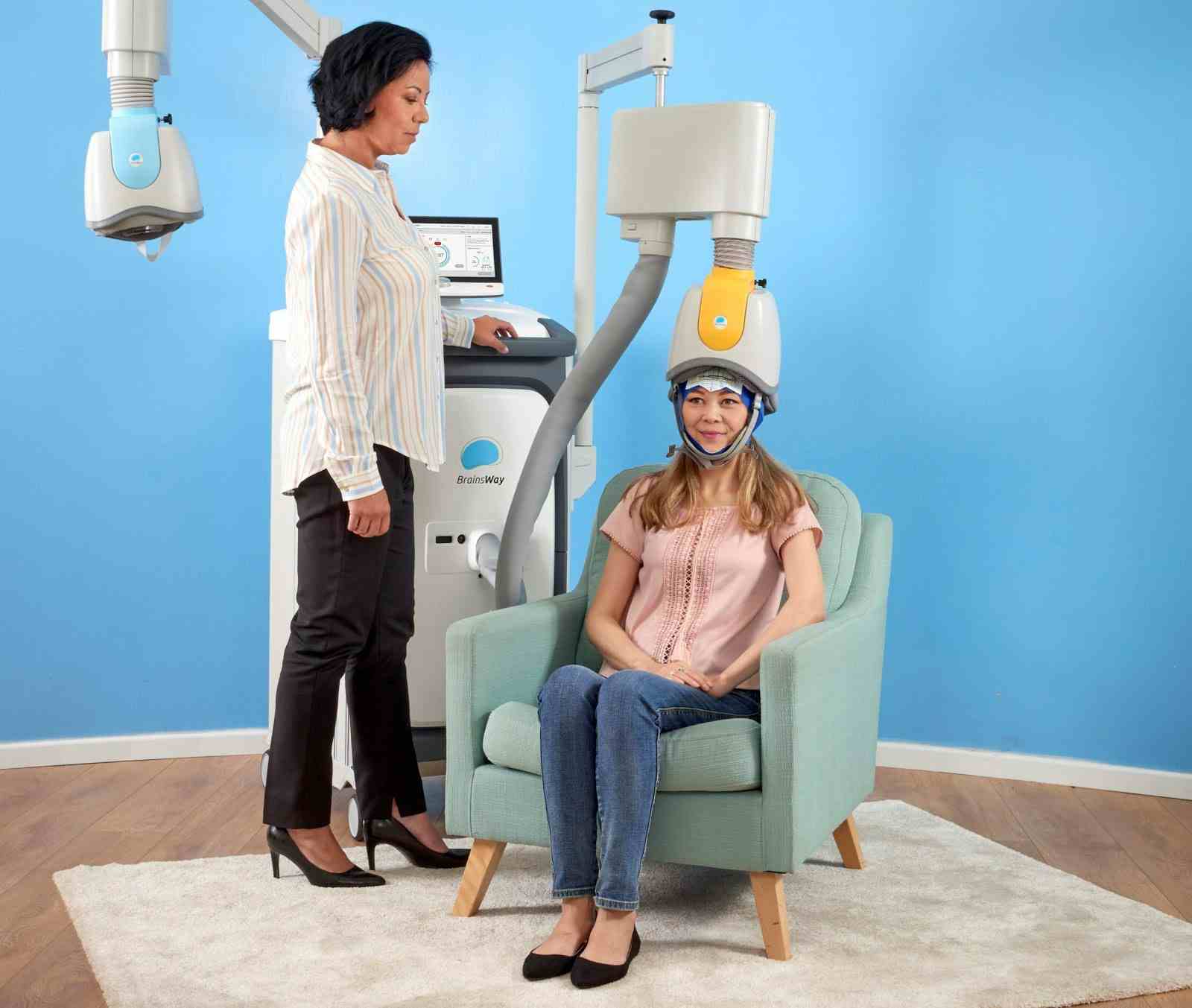
Deep TMS may offer modest benefits for OCD, but the long-term effects or how often it needs to be used are not known. It involves using electromagnetic pulses on the skull to stimulate brain cells. Typically, you are awake and sit in a chair, while a technician places a small coil over the frontal region of your skull. For OCD, a ‘Figure of Eight’ coil or a helmet that reaches deeper regions of the brain is used; this is different from the type of coil used in depression. The treatment for OCD lasts about 30 minutes per session and is performed five times a week for 4–6 weeks (20–30 sessions).
A different coil (rTMS) is used to treat depression as it attempts to re-establish the balance between the left and right hemispheres of the brain. rTMS is an established treatment for depression. It has also been used to treat OCD, leading to confusion! However, if you seek TMS in the UK for OCD, you are likely to be offered deep TMS.
Effectiveness
In 2020, NICE guidelines suggested that TMS required more research in OCD. This needs updating!
Li et al (2024) have summarised the results of four randomised controlled trials of deep TMS in OCD involving 252 patients with treatment-resistant OCD. Active deep TMS showed a notably greater rate of response at the one-month follow-up compared to sham or placebo treatment.
There is an argument between academics about the importance of deep TMS for OCD compared to rTMS. Pellegrini et al. (2022) showed that there was some beneficial effect of rTMS compared to a sham treatment in OCD. They found that rTMS may be most effective for people who have not yet tried a SSRI or have only used one SSRI. On average, approximately 40% will make significant improvements. A SSRI is the most effective medication for OCD and includes sertraline, escitalopram, or fluoxetine. rTMS may not therefore be helpful for people who have already tried 2 or more SSRIs or augmentation (e.g. risperidone or aripiprazole). This aligns with my experience of individuals with severe OCD who have had SSRIs and CBT and then tried rTMS and it did not have any clear benefit. However, there are exceptions. One can usuallytell if the rTMS will have benefit in the first two perhaps three weeks after treatment has begun. If it is having no benefit then it’s probably reasonable to discontinue. However, in a large case series of 167 patients of deep TMS by Roth et al (2021), the overall response rate was 58% after 29 sessions. The onset of a sustained one-month response was achieved on average after 20 sessions. This needs to be treated with caution as it does not include dropouts.
There have been no direct comparisons of rTMS to CBT or combined treatments of rTMS with CBT. CBT is not always optimally delivered, or you may not have been ready to change, and it is sometimes difficult to know whether you have had an adequate trial of CBT. It is not known how to best treat severe depression in the context of OCD. In addition, the long-term effectiveness of deep TMS or rTMS in OCD is unknown.
Side Effects of TMS
Approximately 10% of people experience local discomfort at the rTMS application site. Some people may experience headaches for a short period after stimulation, which can be treated with paracetamol. Others may experience transitory tingling or twitching of the facial muscles. Serious side effects like seizures are rare (around 2 in 1000).
Cost of TMS
The cost in a private clinic in the UK such as the Nightingale is about £200-250 a session. Therefore, if you had it for up to 6 weeks, the cost would be at least £6000. There are other providers for the cost is similar. Some medical insurers may cover the cost. However, be aware that sometimes after making a claim for rTMS, I am told that some insurers deem you to have a chronic condition and exclude you from further benefit in treating OCD.
Transcranial Direct Current Stimulation (tDCS)
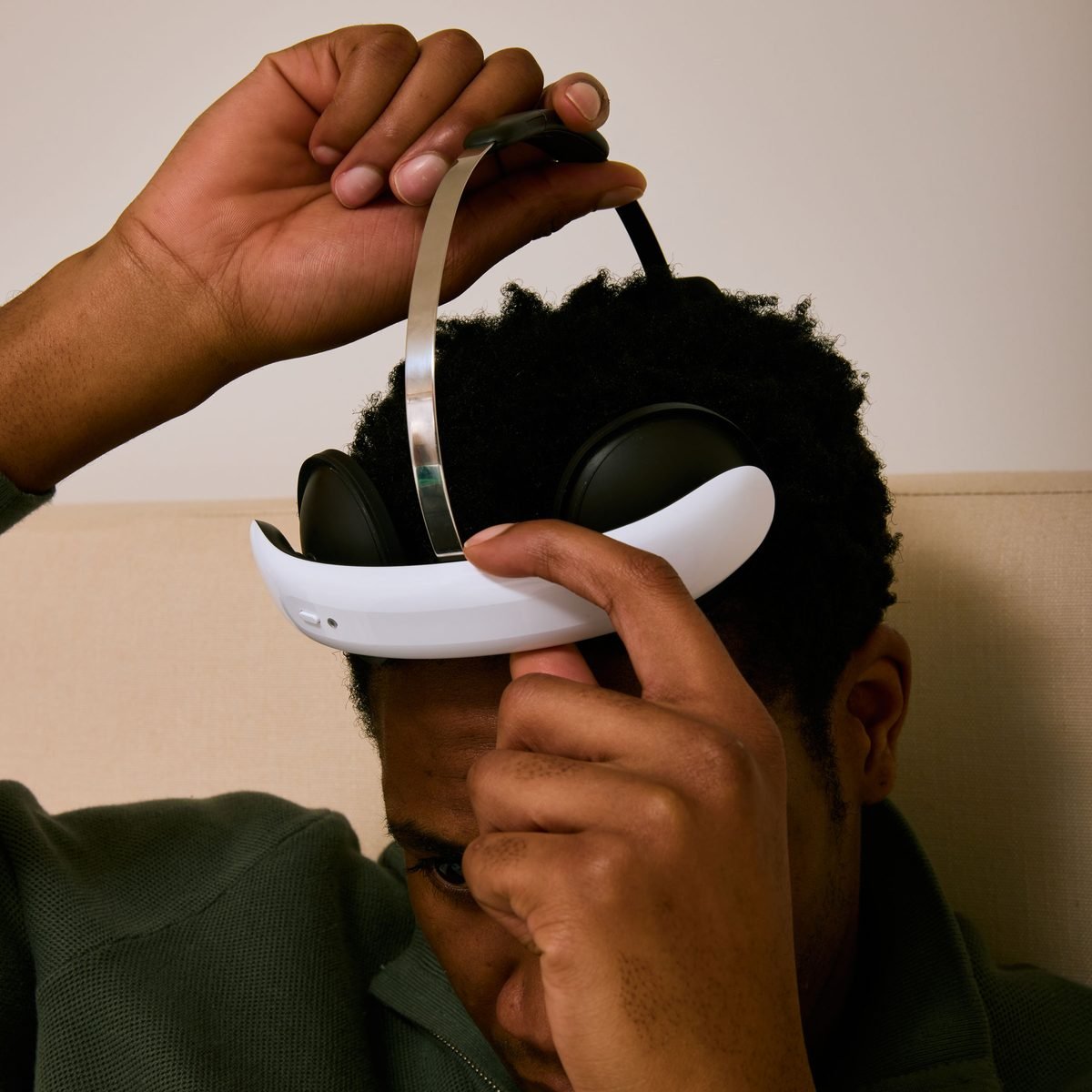
tDCS involves electrical stimulation of the brain by applying a weak direct current to the scalp using a handheld device. It is used for treating mild depression. There is less research on OCD than rTMS, with only one or two trials showing some benefit. It requires more research, and I suspect it is likely to be helpful for only mild to moderate OCD as an alternative to medication or CBT.
How tDCS is used
When you have tDCS, you remain awake and alert. You are usually seated while a portable battery-operated‑ device delivers a constant low-strength‑ direct current to two electrodes placed on the scalp. The treatment lasts approximately 20–30 min per session and is typically repeated daily for several weeks. It can be administered in a clinic or even at home using a personal device.
Effectiveness and Side Effects of tDCS
The side effects are usually mild, such as burning sensation, skin redness, headaches, or itching. The “Flow” is the most common device and can be purchased online for approximately £400 (https://tdcsdevices.com/tdcs-devices-uk/). The manufacturers highlight that these are not certified for OCD treatment and are primarily for treating depression. I am not aware of it being available on the NHS for treating OCD or depression.
Neupulse
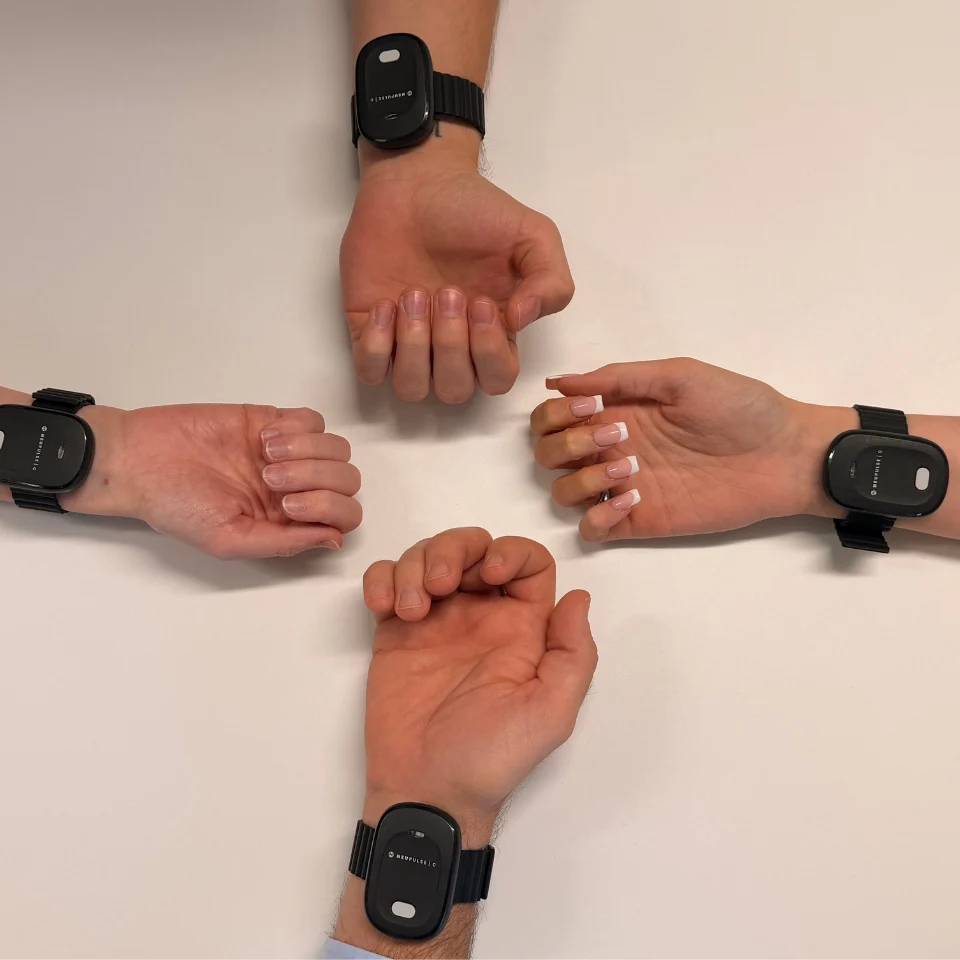
Neupulse is a wrist-worn device that uses low-intensity electrical pulses to the median nerve (median nerve stimulation) through the skin to help reduce symptoms such as tics and those of Tourette’s. Initial trials suggest that it is effective in reducing tics. There are two versions Neupulse M (a medical version) that is being evaluated by NICE but at the time of writing is not yet approved. It can also be bought as a “wellness” product for approximately £500 (Neupulse C). As far as I can tell, they are identical products. Their research on tics suggests that in a subgroup of people who also had OCD, there were also improvements in OCD symptoms. They are now planning trials on OCD. So, at this stage, it is entirely observational findings, but I would be interested to hear of your experience if you try the Neupulse.
Conclusion
In conclusion, although deep TMS, tDCS or Neupulse offer potential treatments for OCD, they should not replace treatments such as CBT and SSRIs. Deep TMS has the most evidence so far. If you are considering deep TMS, I would not recommend it until you have had at least one good trial of quality CBT. Deep TMS can be considered as an alternative to taking an SSRI. Always discuss these options with your doctor to determine what might be most appropriate for your specific case.
David Veale 15.11.2026