

Scales
About Me
Books
Support
NHS patients
Private consultations
Research publications
Adolescents
Medico-legal reports
Blog
Research and training
Email me
Professor David Veale – Consultant Psychiatrist & Private CBT Therapist
Evidence-based assessment and treatment pathways for obsessive compulsive disorder, body dysmorphic disorder and related conditions
FRCPsych, FBPsS, Hon FBABCP, MPhil, BSc, MD
I am a Consultant Psychiatrist specialising in Cognitive Behaviour Therapy for obsessive compulsive disorder (OCD), body dysmorphic disorder (BDD), health anxiety, emetophobia and depression. I am also interested in the rapid treatment of depression using Wake and Light Therapy and nutritional psychiatry and the gut microbiata.
Appointments for a private assessment can be made by telephoning my PA, Natalie Fisher: 020 3137 9911 or email here. Consultations can be either by remote video or face to face in central London or Muswell Hill.
I am also associated with the Overcoming OCD practice, which specialises in CBT for OCD and related disorders.
Professor David Veale
FRCPsych, FBPsS, Hon FBABCP, MPhil, BSc, MD
I am a Consultant Psychiatrist specialising in Cognitive Behaviour Therapy for obsessive compulsive disorder (OCD), body dysmorphic disorder (BDD), health anxiety, emetophobia and depression. I am also interested in the rapid treatment of depression using Wake and Light Therapy and nutritional psychiatry.
Details of private consultations are here. You can phone my secretary, Natalie Fisher, on 020 3137 9911 and email her using this form.
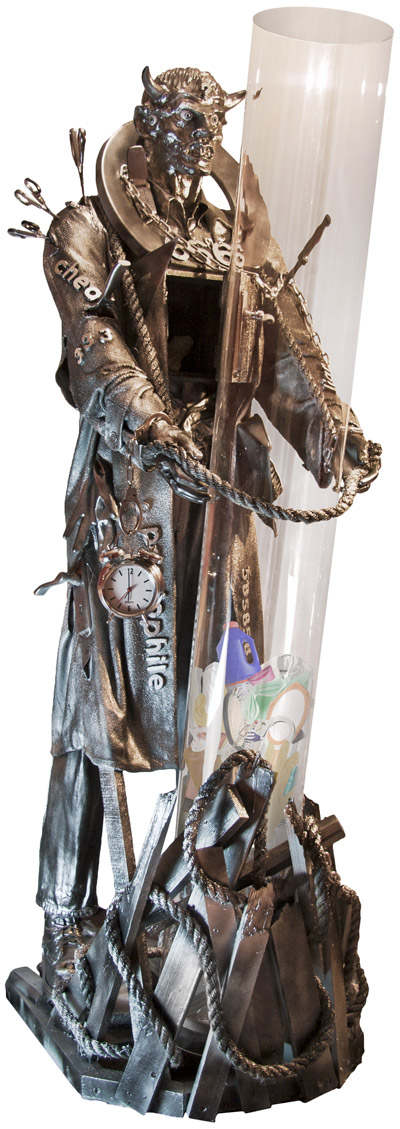
The OCD Bully
People with OCD often consider their OCD to be like a bully or a demon that has to be obeyed.
We enhanced the environment at The Anxiety Disorders Residential Unit at the Bethlem by making a humanoid version of an OCD bully. It holds a transparent receptacle in which residents are encouraged to give up their “safety objects” as a commitment to change. Read more here.
Just Ask A Question

I am associated with JAAQ (Just Ask A Question), which provides answers to a wide range of topics from conditions like depression to lifestyle topics. There’s one on OCD and one on BDD, and you can choose from about 100 different questions for each topic.
See them in action here.
How OCD treatment works
OCD treatment begins with a detailed assessment to understand the nature of the problem, including obsessions, compulsions and any related difficulties such as body dysmorphic disorder, health anxiety or emetophobia.
Following assessment, patients are guided towards evidence-based OCD treatment, most commonly cognitive behavioural therapy (CBT) with exposure and response prevention (ERP), which focuses on reducing avoidance and compulsive behaviours.
Where appropriate, treatment may also include medication. I remain involved in advising on the most suitable treatment approach and ongoing care.
Request an assessment
An assessment is the first step in understanding the nature of the problem and identifying appropriate OCD treatment.
Appointments can be arranged via my PA, Natalie Fisher, on 020 3137 9911 or by email here. Consultations are available by video or face-to-face in central London or Muswell Hill.
Following assessment, recommendations are made regarding evidence-based treatment and appropriate next steps.
Latest features
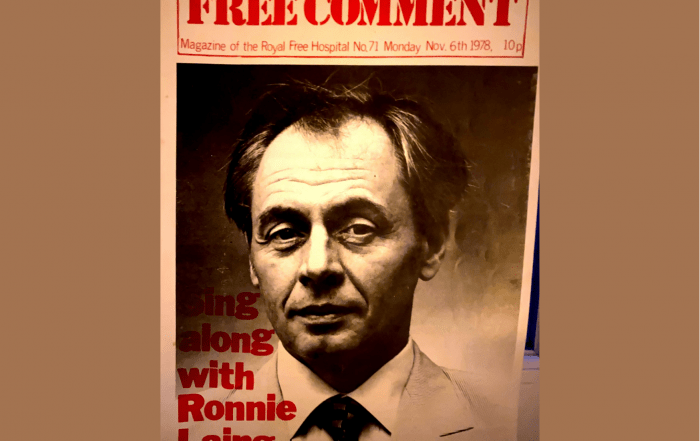
I interview R.D. Laing
As a medical student I interviewed the psychiatrist R.D. Laing, and 45 years later there's much to reflect on.

Getting a good night’s sleep
Advice on getting a good night's sleep and therefore improving emotional problems like depression or OCD.
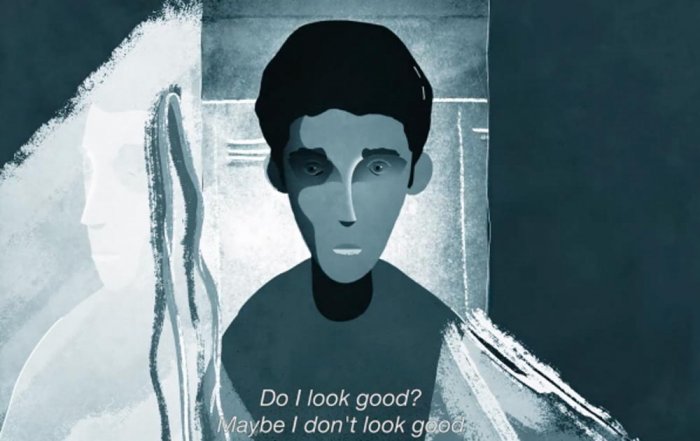
Because I’m Ugly: Body Dysmorphic Disorder and me
A video exploring the challenges of an adolescent living with BDD

Channel 4 “Pure”
I was an adviser on this comedy drama about intrusive sexual thoughts in OCD.
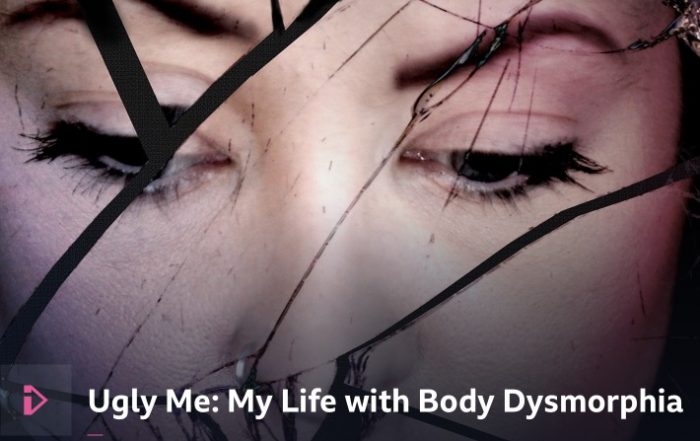
BBC TV: Ugly Me
I have been involved with an excellent documentary on Body Dysmorphic Disorder (BDD) available on BBC iPlayer.

RAPID Therapy for depression
50% of people can recover from depression in one week by Wake and Light Therapy.
Latest research
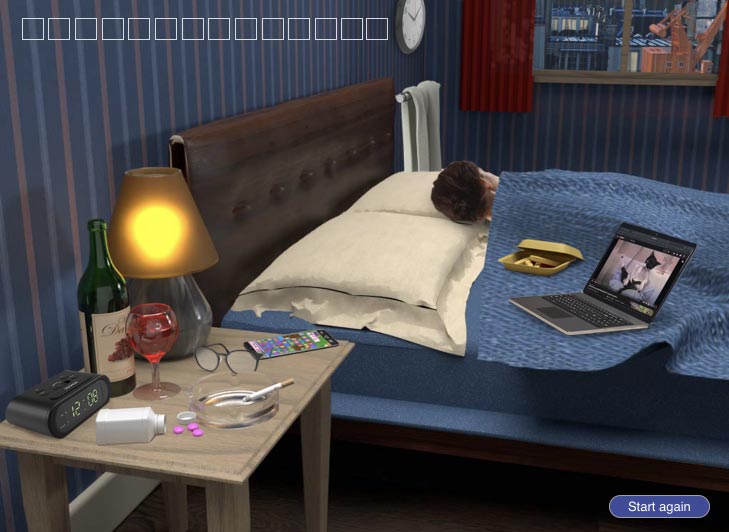
Interactive sleep quiz
There are 14 elements in this bedtime image that could help improve your sleep. Can you find them all?
Try for yourself here.
Latest news
Understanding and treating sensori-motor (or somatic) OCD
Most people have experienced transient problems of sensory hyperawareness at some point in their lives. Stuffy noses, irritated eyes, rashes, coughing, and similar symptoms represent normal sensory annoyances that can preoccupy individuals for short durations. For some individuals, chronic allergies, pain syndromes, and other medical problems can cause sustained hyperawareness. However, for a minority of people, their awareness of sensori-motor phenomena is associated with anxiety and preoccupation severe enough to warrant a diagnosis of obsessive-compulsive disorder (OCD). This is called “sensori-motor OCD” (or somatic-focused OCD). It is a less common obsession that occurs when a person experiences heightened awareness of an involuntary bodily sensation or activity. (We refer to a sensation for short as these are the most common, but it can also be an activity like breathing). Typically, the preoccupation and focus are on the following: breathing (doubts about whether you are breathing correctly or at the right depth or rate or whether it feels right) swallowing (being unusually aware of the sensation of swallowing) blinking (doubts about how you blink, or how often) the movement of your mouth or tongue when speaking the sensation of clicking in your joints eye contact (for example the fear of staring into the eyes or at the breasts or genitalia of another person) the temperature of your body and, e.g., feeling excessively cold visual fields (e.g. paying attention to floaters or something in your peripheral vision). awareness of the side of your nose when reading the sensation of clothes on your body the sensation of one’s anus intrusive sounds or songs that keep playing in your head. Sensorimotor obsessions and doubts usually centre on the concern that you will be unable to stop focusing your attention on the physical sensations and will persist forever you will not be able to “feel right” it will make you go mad you will stop breathing or lose some function related to the sensation Intellectually, you may “know” that the sensation or movement is irrelevant, but it still feels important, and you have doubts. OCD is often called the doubting disease, and the greatest distress is often the “not knowing” what will happen and not being in control of your bodily sensations. These are the things anu therapy will help you give up. People with sensori-motor OCD are constantly trying to avoid being aware of the sensations; they may distract themselves (a form of avoidance). Unfortunately, this makes it worse in the long term. Compulsions are usually limited to repeated attempts to feel “right” or to check if the sensation is still there. Sensori-motor obsessions are less common than other forms of OCD but are just as distressing and disabling to the sufferer. A key process is called “selective attention.” This means focusing on specific stimuli while ignoring others. In anxiety, this means focusing on possible threats and filtering distractions. This tends to magnify and increase the awareness of possible threats. This is an important skill for humans to have when there are predators or someone [...]

Bedlam are back on 13th November 2026
I'm part of a 16-piece band performing hits around the country. Find out more about how to attend our next gig.

Podcasts on BDD and emetophobia
I recently talked to Rachel Handley on two Let's Talk about CBT podcasts 30 June 2026 on Emetophobia 26 May 2026 on Body Dysmorphic Disorder These podcasts are primarily aimed at practitioners but people with either emetophobia or BDD should also get a lot from listening to them. You can subscribe to the Let's Talk about CBT podcasts (Practice Matters, Research Matters or Members Matters) in your usual suspects like Spotify and Apple.
Understanding and treating sensori-motor (or somatic) OCD
Most people have experienced transient problems of sensory hyperawareness at some point in their lives. Stuffy noses, irritated eyes, rashes, coughing, and similar symptoms represent normal sensory annoyances that can preoccupy individuals for short durations. [...]
Bedlam are back on 13th November 2026
I'm part of a 16-piece band performing hits around the country. Find out more about how to attend our next gig.
Podcasts on BDD and emetophobia
I recently talked to Rachel Handley on two Let's Talk about CBT podcasts 30 June 2026 on Emetophobia 26 May 2026 on Body Dysmorphic Disorder These podcasts are primarily aimed at practitioners but people with [...]
The OCD Bully
People with OCD often consider their OCD to be like a bully or a demon that has to be obeyed.
We enhanced the environment at The Anxiety Disorders Residential Unit at the Bethlem by making a humanoid version of an OCD bully. It holds a transparent receptacle in which residents are encouraged to give up their “safety objects” as a commitment to change. Read more here.
Latest features
I interview R.D. Laing
As a medical student I interviewed the psychiatrist R.D. Laing, and 45 years later there's much to reflect on.
Getting a good night’s sleep
Advice on getting a good night's sleep and therefore improving emotional problems like depression or OCD.
Because I’m Ugly: Body Dysmorphic Disorder and me
A video exploring the challenges of an adolescent living with BDD
Channel 4 “Pure”
I was an adviser on this comedy drama about intrusive sexual thoughts in OCD.
BBC TV: Ugly Me
I have been involved with an excellent documentary on Body Dysmorphic Disorder (BDD) available on BBC iPlayer.
RAPID Therapy for depression
50% of people can recover from depression in one week by Wake and Light Therapy.