Permanent stories
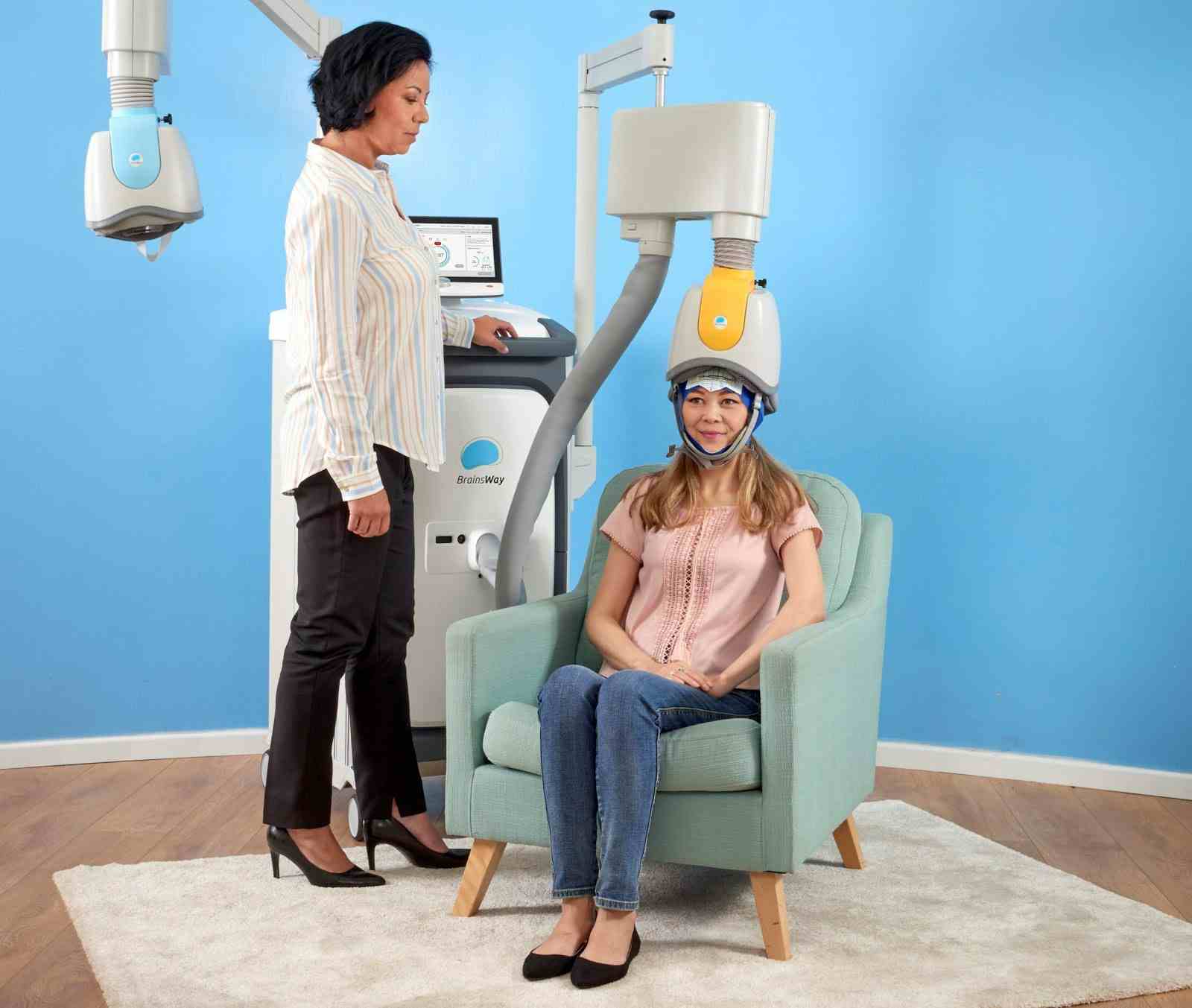
Neuromodulation for OCD: deep TMS, rTMS, tDCS, Neupulse – What You Need to Know
This article summarises the possible benefits of Deep Transcranial [...]


Permanent stories
This article summarises the possible benefits of Deep Transcranial [...]
Sensori-motor OCD involves excessive awareness and preoccupation with normally automatic bodily sensations or activities, such as breathing, swallowing, blinking or eye movements. Anxiety, selective attention and attempts to suppress, distract from or control these sensations perpetuate the problem. Treatment follows standard OCD principles, using CBT to identify underlying fears, tolerate uncertainty and resist checking, reassurance and avoidance. Exposure involves deliberately allowing or attending to sensations without trying to change them or achieve a feeling of being right. The aim is to accept their presence, reduce their significance and resume meaningful activities despite discomfort.
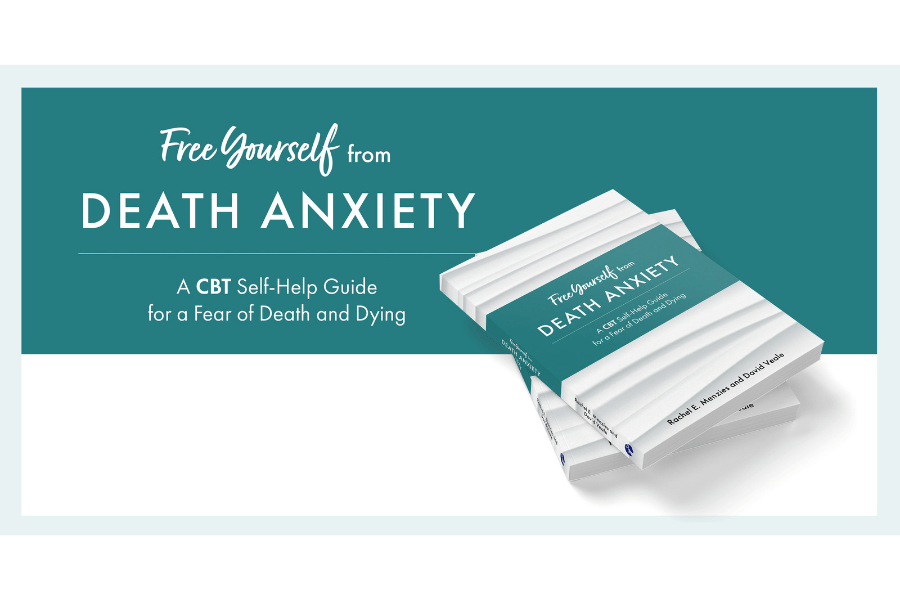
Death anxiety underlies many mental health problems. Our book is a practical guide to help people reduce their worry, before confronting and overcoming their fears.
As a medical student I interviewed the psychiatrist R.D. Laing, and 45 years later there's much to reflect on.
Advice on getting a good night's sleep and therefore improving emotional problems like depression or OCD.
An anti-superstitious pre-op card from my patient
A video exploring the challenges of an adolescent living with BDD
I was an adviser on this comedy drama about intrusive sexual thoughts in OCD.
I have been involved with an excellent documentary on Body Dysmorphic Disorder (BDD) available on BBC iPlayer.
50% of people can recover from depression in one week by Wake and Light Therapy.
Buzzfeed article highlights worrying lack of understanding about the nature of OCD.
Funny commentary on BDD.
Bishops feel contaminated by women
Taking the piss out of OCD.
Woman cuts off breast as offering to the Buddha
Steve Caplin does it again with a brilliant depiction of OCD.